Decide what must keep running
List the loads you can't do without: furnace blower, sump pump, fridge and freezer, some lights and receptacles, internet, maybe a well pump. That's your essential-circuits list.
Running and starting watts
Motors — sump pumps, compressors, well pumps — draw several times their running current for a moment when they start. A generator has to cover the starting surge of the largest motor plus everything else running.
Typical sizes
- Portable, essentials only: roughly 5–8 kW
- Standby, essential circuits: roughly 10–14 kW
- Standby, whole home with central air: roughly 18–26 kW
Transfer switches
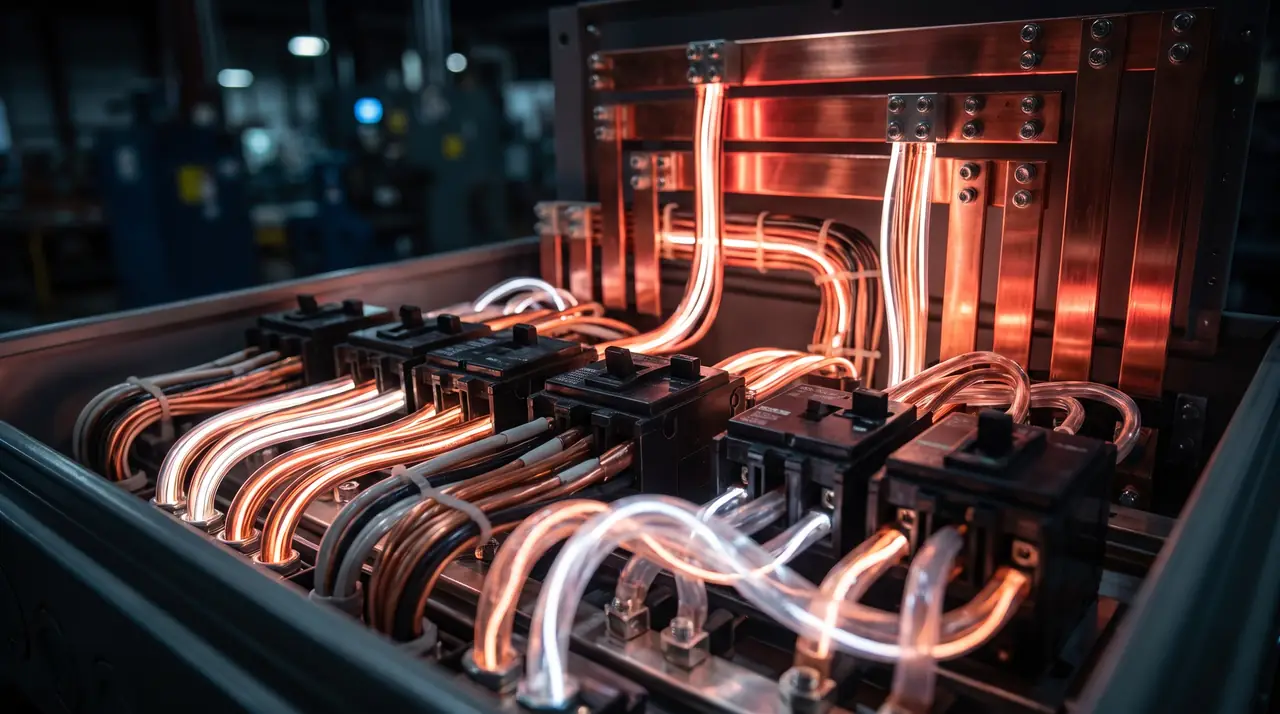
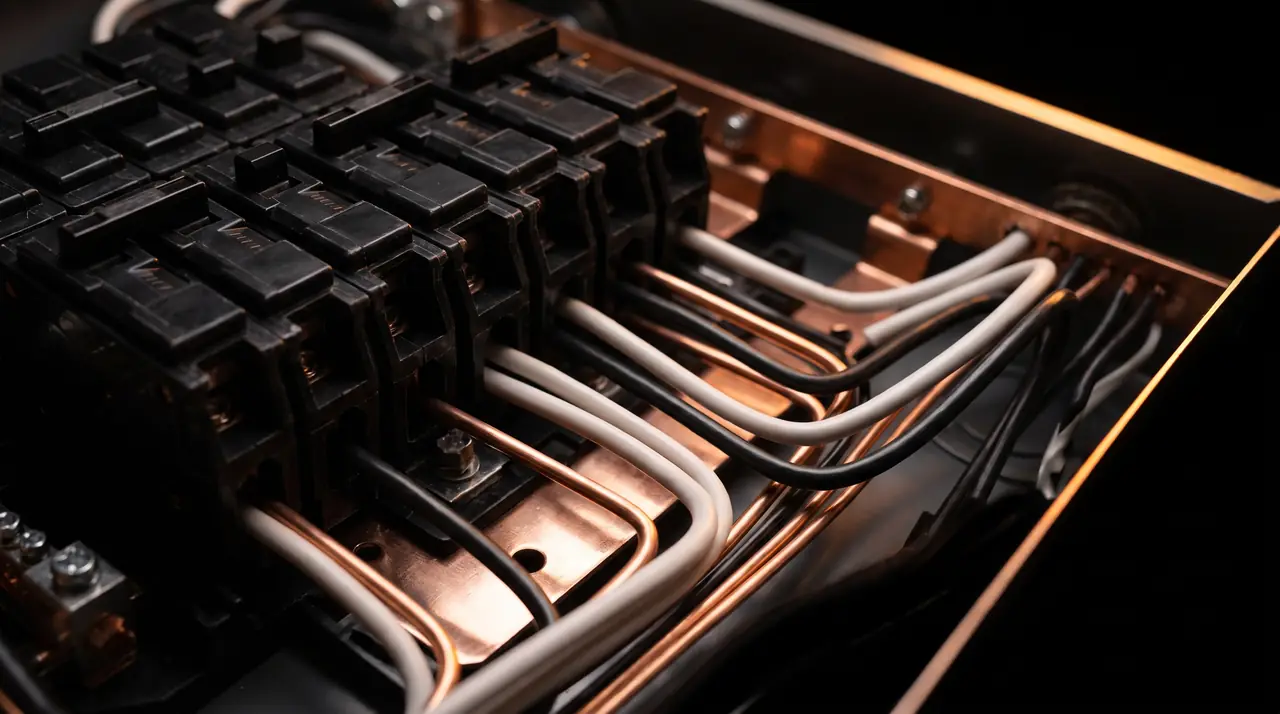
A transfer switch or interlock keeps the generator from back-feeding the utility lines — which can injure line workers. Standby systems use an automatic transfer switch; portable setups use an inlet and interlock.
See standby generators.
Quick questions
Can a generator run central air?
A whole-home unit can, if sized for the compressor's starting current. Essentials-only systems usually skip it.
Natural gas or propane?
Natural gas is common where available — no refuelling. Propane works where gas isn't available.
How loud is a standby generator?
Modern units are similar to a central air condenser at normal load; placement and clearances matter.